


Innovation
Posted by Lex, on September 10, 2010
Navy re-visits “dial-a-yield“:
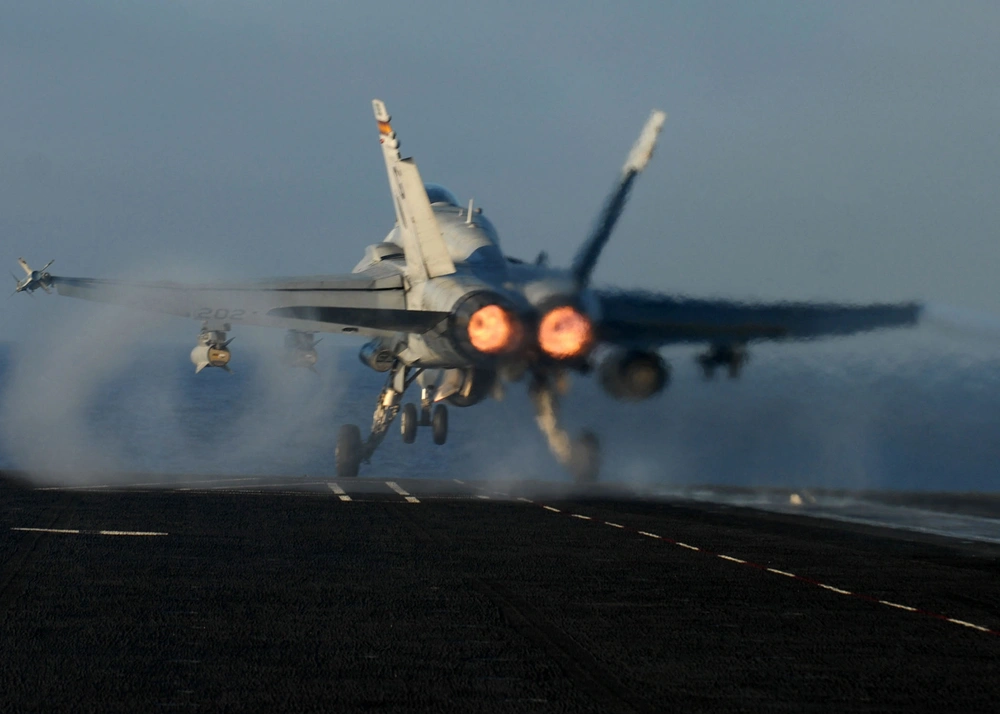
The navy is seeking proposals from companies to create a bomb weighing 200 kilograms that can either be detonated at full or reduced power. The idea is that the device could be loaded onto planes before a target has been identified, and the explosive power set by the pilot once a target is known. If there is a risk of killing civilians, then the explosive power can be reduced to ensure a small blast radius. In an unpopulated area the bomb, currently known as the Selectable Output Weapon, could be set so that it has the same power as a regular bomb of the same size. Carrying a single bomb would make it easier and cheaper for the navy to arm its planes.
ATK says it has a solution:
ATK’s approach is based on the principle that explosives can burn in two different ways. One is via detonation, in which the flame front moves at supersonic speed and produces a powerful blast. The other is deflagration, or subsonic burning, which causes little or no blast.
In ATK’s design the explosive can be ignited at both ends, one set to produce a detonation, the other deflagration. By varying the timing of these two ignitions, the proportion of explosive consumed by detonation can be altered in a controlled manner.
This would actually be kind of a big deal. In campaign planning it’s relatively easy to map weapons effects to targets, since the target prioritization list is published days or hours in advance, and weaponeers have the opportunity to examine target construction, collateral damage rings, delivery modes and probability of single pass kill given a weapon of known destructive power. (When dropping general purpose bombs the targeteer would then move on to number of weapons required, stick length, minimum release intervals, etc. but the emergence of laser, IR, video and GPS guided “smart” munitions has largely rendered this point moot for all but the larger installations.)
The problem comes when all the pre-planned targets are destroyed (a good problem to have) or during on-call close air support, where the precise type and location of target may not be known in advance. If you come hauling 2000 LGBs and friendlies are too close, or the kill radius overlaps a CD constraint or no-fire area, troops on the ground are left with little more than a high speed cheerleader flying overhead, with maybe some 20mm cannon fire in a permissive environment. (In a non-permissive environment, the joy of firing the cannon is attenuated somewhat by the fact being in gun range works both ways.)
Selectable yields, when combined with selectable fuzing, gives the pilot many more support opportunities and minimizes the risk of collateral damage.
Navy: See the world, meet interesting people, and kill them – but only them.
Back To The Secondary Index